
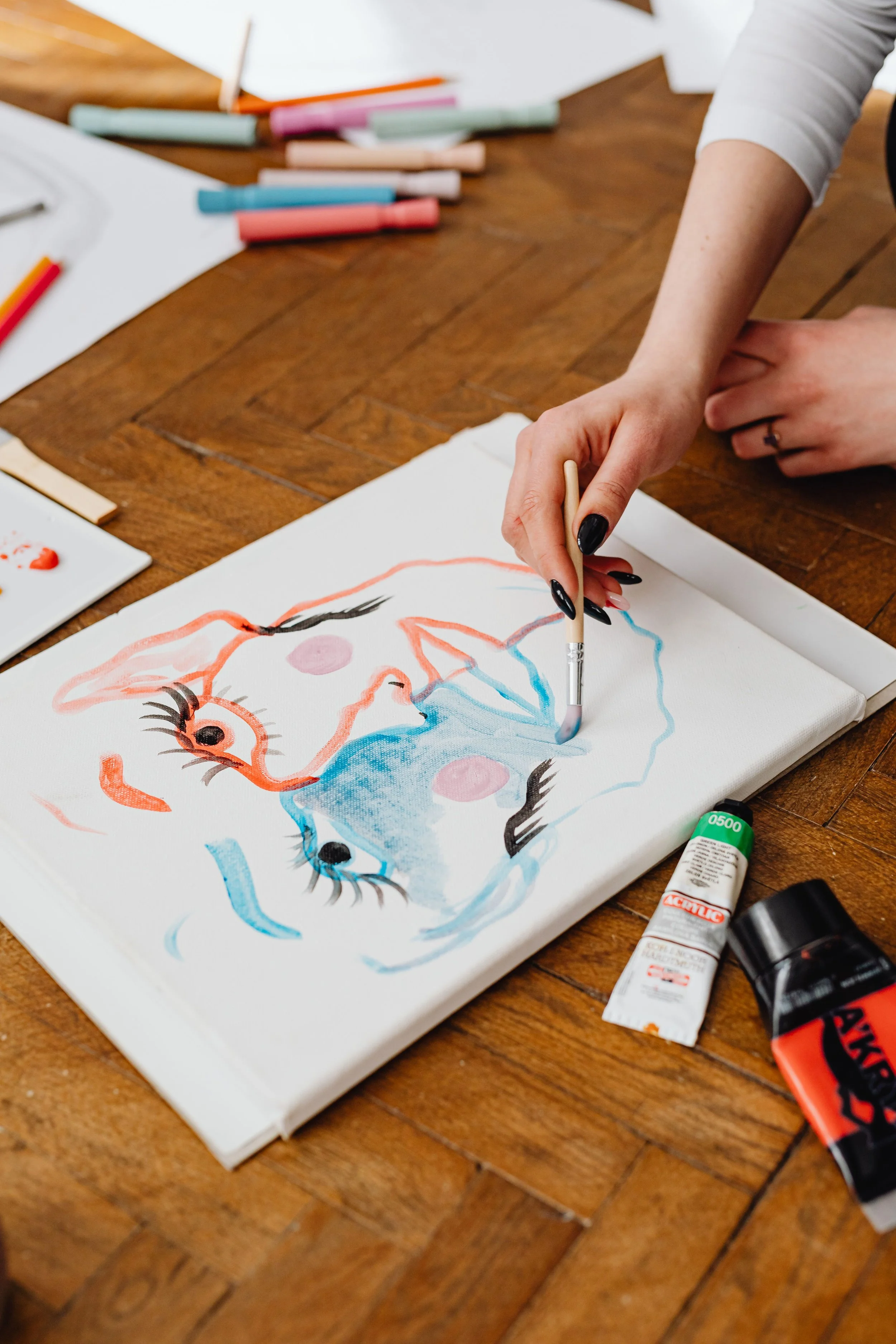
When Words Aren't Enough: Discovering the Healing Power of Art Therapy
Discover how art therapy helps people express emotions, process difficult experiences, and find healing. Now offered through Cumberland Counseling Centers around Atlanta, GA.
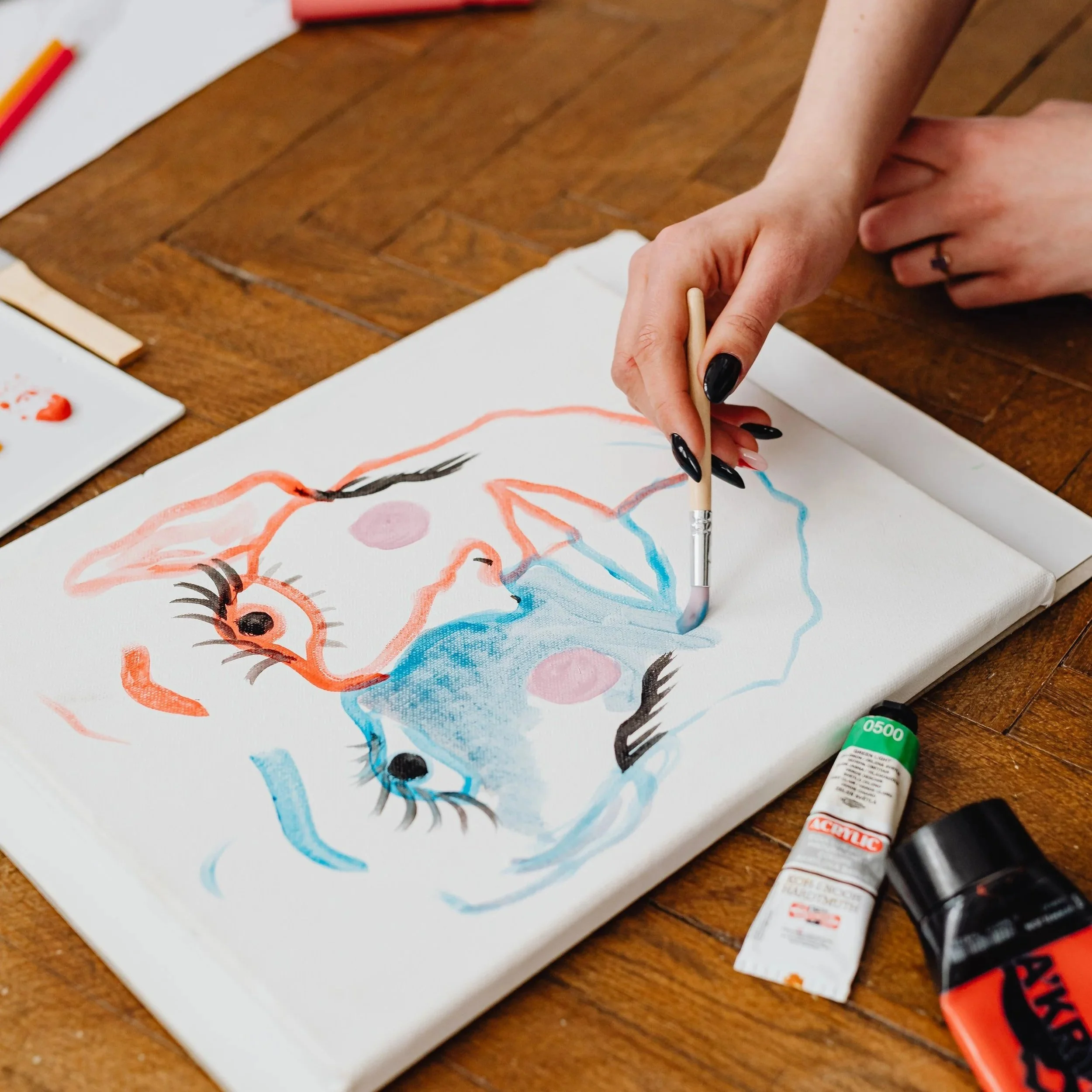
You don't have to be an artist to benefit from art therapy. You just have to be willing to explore.
Have you ever struggled to explain exactly how you're feeling? Maybe you've experienced something painful, overwhelming, or confusing, and every time you try to put it into words, you come up short.
Sometimes, words simply aren't enough.
That's where art therapy can offer something different.
We're excited to announce that Cumberland Counseling Centers now offers art therapy! This creative approach to mental health care offers another way for individuals to explore their emotions, process difficult experiences, and move toward healing.
And here's something that might surprise you: Art therapy can even happen virtually!
What Exactly Is Art Therapy?
Art therapy combines the creative process with professional mental health treatment. Rather than relying entirely on conversation, art therapy invites clients to use drawing, painting, collage, and other creative activities to explore their thoughts, feelings, and experiences.
But don't worry. This isn't an art class.
There are no grades, no artistic expectations, and absolutely no requirement that you know how to draw.
In fact, you can be someone who hasn't picked up a paintbrush since elementary school and still benefit from art therapy.
The goal isn't to create something beautiful. The goal is to discover something meaningful.
Through the creative process and guided reflection with a therapist, clients may begin to recognize emotions, identify patterns, develop coping skills, and better understand themselves.
Sometimes, what feels impossible to explain becomes a little easier to explore when you can see it in front of you.
Who Can Benefit From Art Therapy?
Art therapy can be helpful for children, teenagers, and adults navigating a wide range of emotional and mental health challenges.
It may be especially helpful for people experiencing:
Anxiety and stress: Exploring overwhelming emotions and developing healthy ways to cope.
Trauma and difficult life experiences: Finding ways to express and process experiences that may be hard to discuss.
Depression: Exploring emotions, reconnecting with interests, and building self-awareness.
Grief and loss: Creating space to express complicated feelings surrounding change, death, or disappointment.
Life transitions: Processing identity, relationships, and major changes.
Difficulty expressing emotions: Discovering alternative ways to communicate what's happening internally.
Art therapy isn't limited to people facing a specific diagnosis. It can also be a meaningful experience for anyone interested in personal growth, emotional awareness, or understanding themselves more deeply.
Wait... Can Art Therapy Really Work Virtually?
Yes! And it's probably easier than you think.
While we often picture art therapy happening in a room filled with paints, markers, and paper, many creative therapeutic activities can be adapted for virtual sessions.
Imagine sitting at your kitchen table with a notebook and a few colored pencils while connecting with your therapist through a secure video session.
Your therapist might invite you to draw what anxiety feels like, create a visual representation of a difficult season, or use colors and shapes to explore emotions you've been carrying.
Then, together, you'll reflect on what you've created and what the experience brought up for you.
The healing work isn't dependent on being in the same room. It's grounded in the therapeutic relationship, the creative process, and the reflection that follows.
Virtual art therapy can offer several advantages:
Convenience: Participate from home without traveling to an office.
Comfort: Create in a familiar environment where you may feel more relaxed.
Accessibility: Connect with a qualified therapist even when distance or transportation makes in-person appointments difficult.
Flexibility: Use simple art supplies you already have at home.
Of course, virtual art therapy isn't the best fit for everyone. Your therapist will help determine whether virtual or in-person sessions are appropriate for your needs, preferences, and treatment goals.
What If I'm Terrible at Art?
Perfect. You're still invited.
One of the biggest misconceptions about art therapy is that you need to be creative or artistically talented to participate.
You don't.
Art therapy isn't about producing a masterpiece. Your therapist isn't evaluating your artistic ability, interpreting every color you choose, or deciding what your drawing says about you.
Instead, art-making becomes an opportunity for curiosity and conversation.
What did you notice while creating?
What feelings came up?
Does anything about your artwork connect with what you're experiencing in your life?
Sometimes, even a few scribbles on a page can open the door to a meaningful conversation.
And sometimes, the process of creating is valuable all on its own.
What Does an Art Therapy Session Look Like?
Every session is different because every person is different.
Depending on your needs and goals, your therapist may invite you to engage in a creative activity or allow you to choose how you'd like to express yourself.
You might spend part of your session making art, part of it talking, and part of it reflecting on what you've discovered.
There's no pressure to share more than you're comfortable sharing, and there's no right or wrong way to participate.
Art therapy is still therapy. It involves a professional therapeutic relationship, individualized goals, and evidence-informed clinical care. Art-making is one of the tools your therapist may use to support that process.
A New Way to Experience Counseling in Monroe, Georgia
At Cumberland Counseling Centers, we believe excellent mental health care should be accessible to everyone, regardless of income or faith identity.
That's why we're continually looking for ways to make counseling more accessible and responsive to the needs of the people we serve.
Offering art therapy through our Monroe location is another way we're expanding the types of care available to our community.
Whether you're someone who struggles to find the right words, someone who has always enjoyed creating, or someone who's simply curious about trying a different approach to counseling, art therapy may be worth exploring.
You don't have to know how to make art. You don't have to know exactly what you're feeling. And you certainly don't have to have everything figured out before you begin.
You just have to be willing to start.
Interested in Art Therapy?
Art therapy is now available through a therapist at our Monroe, Georgia location, with virtual sessions potentially available when clinically appropriate.
We'd love to help you explore whether this approach might be a good fit for you.
Schedule a Counseling Appointment
Or call or text us at 888-270-3506 to learn more.
Accessible mental health care for everyone.